Monster Tracks: Best Upgrade Path and Vehicle Guide
Monster Tracks is won in the garage as much as on the course. This guide covers the upgrade order that works, which vehicles fit which tracks, and the upgrade mistakes that quietly waste your coins.
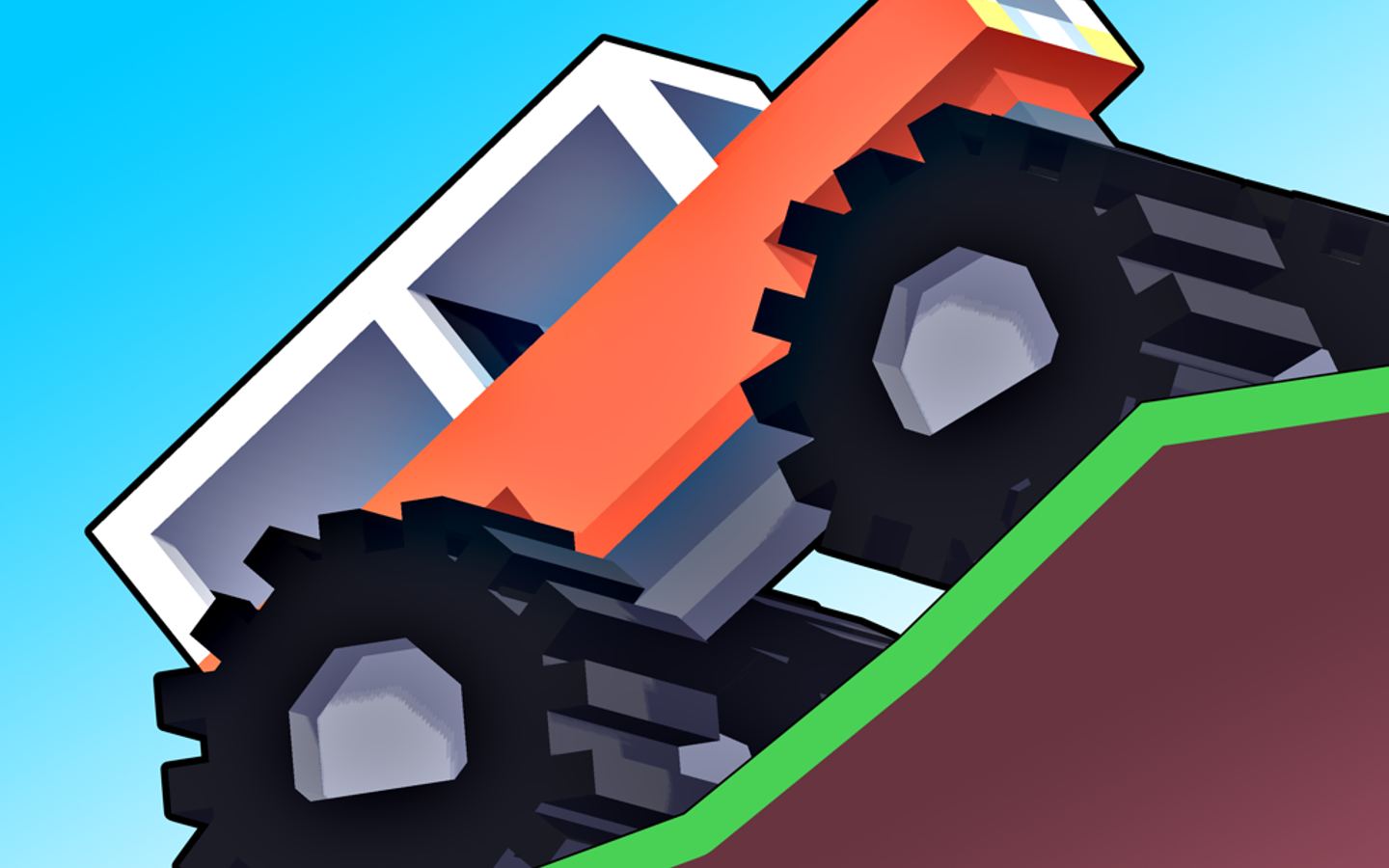
Monster Tracks gives you a monster truck and a long list of ways to spend your coins, and the game does not tell you which upgrades matter. Spend them wrong and every track feels like a slog; spend them right and the same courses turn smooth. This guide breaks down the upgrade order that produces the fastest results, which vehicles actually suit which terrain, and the common mistakes that quietly drain your coin balance.
Quick Summary
- Game: Monster Tracks
- Genre: Off-road racing / physics driving
- Difficulty: Medium
- Platform: Browser, mobile
- Estimated play time: 3–6 minutes per race
- Best for: Players who like progression and vehicle tuning
How the Upgrade System Works
Monster Tracks upgrades split into a few clear categories: tires for traction, suspension for landings, engine for acceleration and top speed, and handling for steering. Each category costs coins, and prices rise as you invest. The system rewards depth over breadth — a truck with two fully upgraded areas beats one with six mediocre ones on most tracks. The practical implication: decide what your truck is for, then commit to the categories that serve that purpose.
The Upgrade Order That Wins
For the smoothest progression across the whole game, this order consistently works:
1. Tires First
Traction is the foundation of everything. Better tires keep your power on the ground across mud, rock, sand, and pavement, and good grip saves more time than any engine on loose surfaces. This is the highest-value early purchase in the game.
2. Suspension Second
Once you can grip, you will start hitting jumps that punish bad landings. Suspension upgrades absorb those impacts, keep the truck planted, and cut the bounce that sends you off-line. It also protects your momentum through the roughest sections.
3. Engine Third
Speed matters most once you can carry it. Engine upgrades unlock acceleration and top-end pace on the long straights, but a fast truck you cannot control is a coin sink. Buy speed only after grip and stability are in place.
4. Handling Last
Handling is the polish category. Invest here after the big three are solid, when you have hit specific corners you want to tighten up.
Which Vehicles Suit Which Tracks
Different Monster Tracks vehicles are built for different jobs, and choosing the wrong one is an upgrade mistake in disguise:
- Light trucks fly further and accelerate quickly — ideal for jump-heavy tracks with wide gaps.
- Heavy trucks shrug off obstacles and hold lines on rough terrain — best for rock and debris-strewn courses.
- Balanced trucks split the difference and are the safe pick on mixed-terrain tracks.
Experiment once you own more than one truck. The vehicle that clicks with your driving style will outperform one that is statistically "better" on paper.
Track Types and What They Demand
Match your upgrades to the tracks you actually race:
- Mud tracks: tires are everything — grip decides the race.
- Jump-heavy tracks: suspension keeps landings clean and saves your speed.
- Speed tracks: long straights reward engine and acceleration.
- Mixed terrain: balanced upgrades across all categories win out.
Before spending coins, ask which track type you enjoy most and prioritize upgrades that serve it. For a different kind of driving challenge with the same tuning mindset, Drive Mad and Hill Climb Racing Lite are strong alternates.
Upgrade Mistakes That Waste Coins
- Buying everything a little bit. Breadth beats depth in the wrong direction here — commit to two or three categories.
- Skipping tires on mud-heavy tracks. Grip is the single biggest time factor on loose surfaces.
- Chasing speed before control. Engine upgrades on a truck you cannot keep pointed straight just make crashes faster.
- Ignoring the vehicle choice. Upgrades multiply the right truck's strengths; they cannot fix the wrong one.
Frequently Asked Questions
What should I upgrade first in Monster Tracks?
Tires. Traction improves every surface and every track, making it the highest-value early investment in the game.
Is the engine upgrade worth buying early?
Only after tires and suspension. Speed is useless without grip and stability, so build the foundation before adding pace.
Which vehicle is the best in Monster Tracks?
There is no single best — light trucks suit jump tracks, heavy trucks suit rough terrain, and balanced trucks handle mixed courses. Match the truck to the track.
How do I get more coins for upgrades?
Replay the tracks you can finish cleanly and reliably — consistent finishes earn more over time than barely surviving harder courses. Upgrade the categories that make your favorite tracks easier.
Can I reset my upgrades if I change my mind?
Monster Tracks lets you reprioritize over time as your preferences evolve. Reallocating toward the track types you actually play is the smartest long-term move.
Are there other monster truck games to try?
For browser-friendly monster-truck and off-road action, Drive Mad and Hill Climb Racing Lite offer solid alternatives, with the full catalogue in the no-download games roundup.
Related Games and Guides
- Monster Tracks — the game this guide covers
- Drive Mad — physics stunts without the garage management
- Hill Climb Racing Lite — climb-focused physics racing
- Car Circle — quick, light physics fun
- Top Speed 3D — speed-first driving
For more driving technique, the Drive Mad all-tracks guide covers the physics that apply here too.
Conclusion
Monster Tracks rewards planning before spending. Invest in tires, then suspension, then engine, match your vehicle to the terrain, and skip the temptation to buy a little of everything. Get the garage right and the tracks stop being a struggle and start being a speedrun.