
Drive Mad: All Tracks Walkthrough and Completion Guide
A complete Drive Mad track guide — the physics that make it tick, what each difficulty tier demands, jump and landing technique, and the throttle habits that turn messy runs into clean completions.
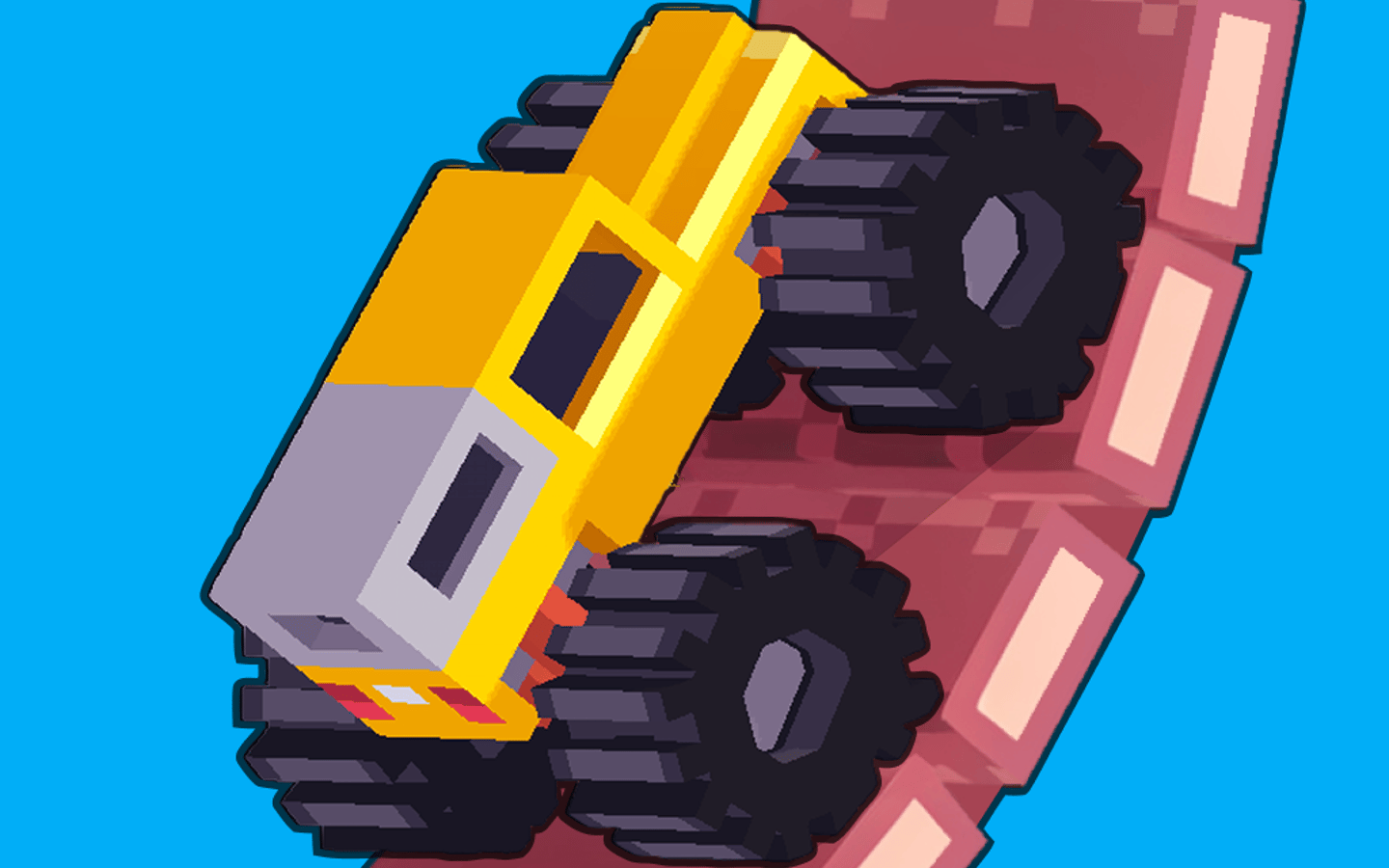
Drive Mad looks like a simple stunt game: drive a car, hit ramps, and try not to flip. Then the tracks start climbing and a single bad landing sends your run cartwheeling into a restart. The gap between casual fun and full completion is almost entirely technique — reading the terrain, controlling your throttle, and knowing what each track type asks of your car before you commit to it.
Quick Summary
- Game: Drive Mad
- Genre: Physics driving / stunt
- Difficulty: Medium to hard on later tracks
- Platform: Browser, mobile
- Estimated play time: 2–4 minutes per attempt
- Best for: Players who like physics challenges and clean runs
Understanding Drive Mad's Physics
Every track in Drive Mad punishes the same mistakes because they all come from one source: momentum. Your car's center of gravity decides how easily it tips, and every input — acceleration, brake, tilt — changes where that weight sits. Long vehicles stay planted but turn sluggishly; short ones flip easily but handle agilely. On jump-heavy sections a lighter car flies further but lands harder, while a heavier one powers through obstacles but climbs slower. Choosing a car that matches the track is half the battle; the rest is not fighting your own momentum.
The Two Golden Rules
- Feather the throttle. Holding full gas through a climb or a corner is the fastest way to lose control. Short taps keep the car settled.
- Land on the nearest wheel. Tilt so the downhill-side wheels touch first — rear wheels for uphill landings, front for downhill. Flat landings bounce; angled landings roll.
Beginner Tracks: Learning Balance
The opening tracks are gentle slopes and wide open ground, and their job is to teach you how the car responds to input. Practice light throttle taps on the flats and let gravity carry you through dips. The habit worth building here is restraint: most beginners fail later tracks because they learned to hold the gas, and the terrain eventually punishes that habit hard. If a stretch of road is flat, you rarely need full throttle — coast and correct.
Intermediate Tracks: Jumps and Landings
This tier introduces the ramp-and-platform sections that define the game. The key skill is reading the landing zone before you leave the ramp, not during the flight. Look at where the next platform sits and what angle your car should take to meet it. Use mid-air tilt to flatten out, and remember that a clean short hop beats a dramatic long jump that ends on your roof. Rear wheels first when landing uphill, front wheels first when landing downhill, and keep the car level for flat landings.
What Kills Most Runs Here
- Full-throttle launches into ramps — you overshoot the landing zone entirely
- Mid-air corrections made too late to matter
- Landing flat and relying on luck instead of tilt
Advanced Tracks: Steep Climbs and Sharp Drops
The late tracks combine steep ascents, vertical drops, and obstacle sequences with almost no room for error. The technique that carries you through is segmenting: treat each hard section as its own tiny challenge, and restart-free practice comes from focusing on one segment at a time rather than the whole climb. On steep ascents, momentum is your friend — keep a steady, moderate speed so you never stall mid-slope. On sharp drops, point the nose down early and feather the throttle as you land so the car settles instead of bouncing forward.
Expert Habits That Finish Tracks
The difference between "almost" and completion is consistency, and consistency comes from three habits: always scout the next three obstacles from the current one, keep your inputs short and deliberate, and reset your run the moment you feel the car tipping rather than fighting it. None of these are flashy, but together they turn the hardest tracks from a lottery into a checklist. For more physics-driving practice, Drift Boss and Car Circle refine the same throttle control in a smaller package.
Frequently Asked Questions
What is the easiest way to finish Drive Mad tracks?
Slow down. Feather the throttle, scout the landing zones before jumping, and land on the downhill-side wheels. Most restarts come from speed, not lack of it.
Why does my car flip on jumps?
Usually because you launched at full throttle or landed flat. Tilt in the air to match the landing surface, and keep launches moderate unless the track clearly asks for speed.
Which car should I use on each track type?
Lighter cars for jump-heavy tracks, heavier cars for obstacle-heavy ones, and mid-weight for mixed terrain. Match the car to the track's dominant challenge.
Are later Drive Mad tracks harder or just longer?
Harder. They combine steeper terrain with tighter landings and require the segment-by-segment approach rather than raw speed.
Can I play more stunt-driving games like Drive Mad?
Yes. Monster Tracks adds an upgrade system, Hill Climb Racing Lite tests climbs, and City Car Driving Stunt Master broadens the stunt sandbox.
What is the single best tip for beginners?
Stop holding the throttle. Tap it, watch the car settle, and only then decide if you need more. It fixes more Drive Mad runs than any other single change.
Related Games and Guides
- Drive Mad — the game this guide is built around
- Monster Tracks — upgrade your truck to conquer rougher terrain
- Drift Boss — one-button drifting with a high skill ceiling
- Car Circle — quick physics fun with the same feel
- Eggy Car — gentle physics driving for a lighter session
Pair the practice with the Drift Boss complete guide or browse the full game guide library for more.
Conclusion
Drive Mad is a physics game that rewards patience more than power. Learn to read the terrain before you commit, land on the wheel that keeps you balanced, and resist the urge to hold the gas, and every track on the list becomes a matter of practice rather than luck. Master the throttle, and the hardest climbs are just a series of easy segments.